
Meet the instructor: Daisy
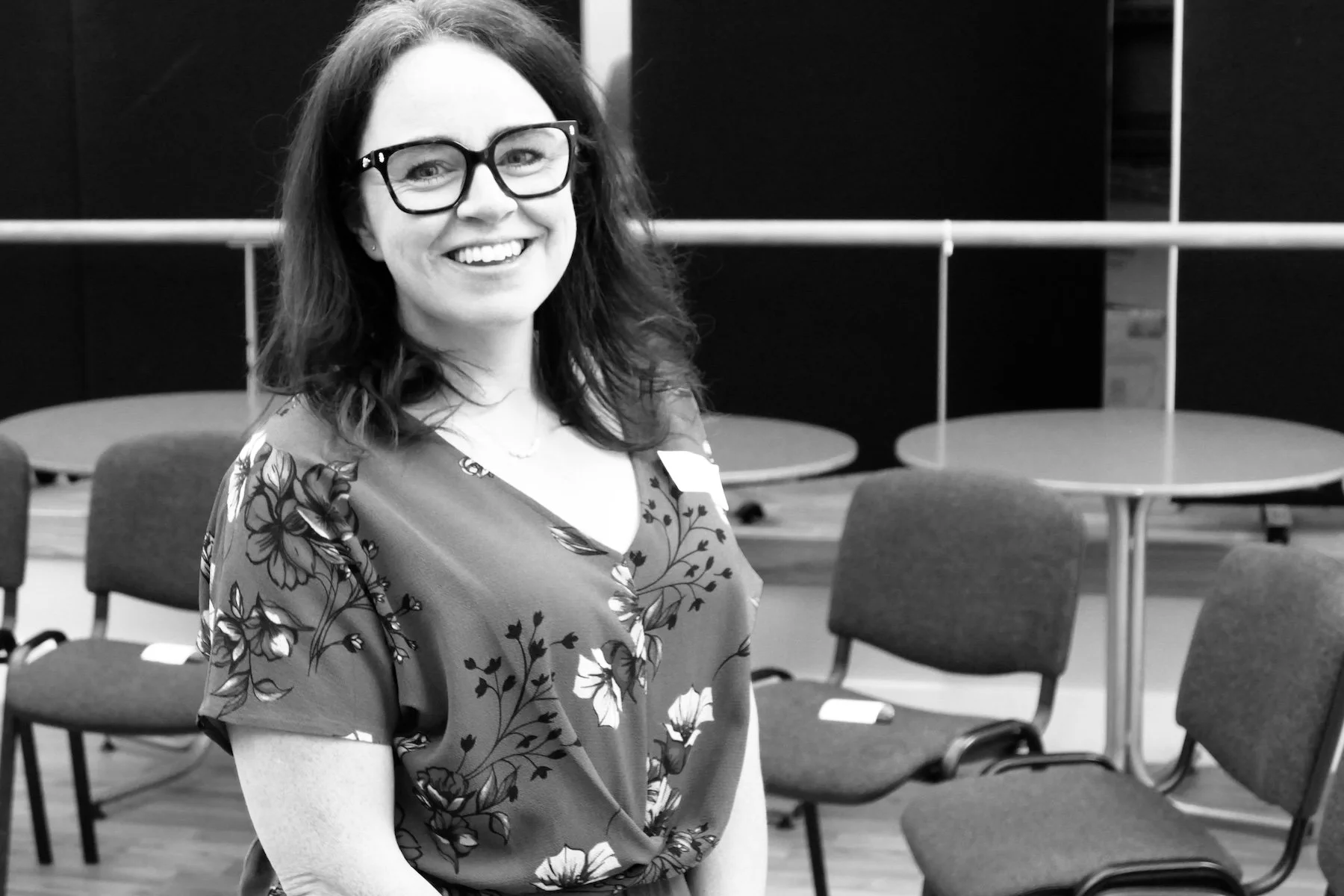
“I love it when women realise what they’re capable of - when they see their power”
Bromley instructor, Daisy, on her passion for midwifery and teaching antenatal classes.
What inspired you to become a midwife in the first place?
I wanted to be a midwife from as early as I can remember. It was always something I was fascinated by. There’s a photo of me at 3-years-old in a nurse’s uniform - I take it with me to midwifery interviews to show how young I was when this started! As a child when I saw a pregnant women or a woman with a baby, I’d always ask my mum if I could go and talk to her about it! At secondary school the teachers suggested I may want to become a doctor or an obstetrician. I looked into those things but knew they weren’t what I wanted. I wanted to be ‘with woman’, which is the meaning of the word ‘midwife’ - to support her to become a mother and go through this almighty change. And the only job that does that, for me, is midwifery. So I became a midwife straight from school - 22 years ago!
What do you love most about it?
I love it when women realise what they’re capable of - when they see their power. It never gets old. It is such a monumental moment for them, as well as for me and I can’t believe I’m lucky enough to see that as often as I do. It’s incredible.
Do you mean specifically at the moment of birth?
Yes, but it can also be postnatally - when they look back on their birth and they’re like, ‘I really did that!’ Or even when I weigh their baby and the mum can see it’s doing really well and thriving, and she says, ‘wow, I’ve done that!’ We aren’t great as women at bigging ourselves up, so when they have that realisation it’s phenomenal for me. I just love being somebody that can walk alongside women as they do this monumentally important thing.
What do you enjoy most about teaching?
I love the gradual look of realisation when they understand, ‘Oh I’m in charge, I’m free to make choices that feel right for me’. They suddenly realise that, with good information, they’re able to make choices that are comfortable and powerful and truly informed. That for me is really important. I focus a lot on advocacy. I say to them at the very beginning of the course that I’m going to weave advocacy throughout the whole thing, so they really understand that their voice is the most powerful voice in their maternity journey. And I always say it’s not how your baby comes out, but how you were made to feel - how empowered you felt and how much autonomy you felt you had.
Do you also enjoy the social connection side of the classes?
I love the social connection side! And it’s so interesting hearing the anecdotes they share with each other and having an insight into what’s going on in the community. I also enjoy gauging where their relationships are at, and hearing the laughs they have - they always have a lot of laughs. And I always tell them that my mother-in-law is still friends with her antenatal group, so this is potentially the start of something incredibly long and powerful!
Do you ever keep up with your groups after the course?
Yes, at the end of my classes I share my details and let them know I would love to hear how their birth goes - I love to hear anything at all about their birth. To me, this is really important because I want to know what works in the classes and what doesn’t.
Is there anything that you think is particularly important for new parents to know about early parenthood?
I think it’s really helpful for them to know everything is a phase. When you are ‘in it’ with your first baby, you don’t have the confidence and hindsight to know that everything changes and you will get through it. And also the hindsight to know that you’re doing amazingly and you can do this! Second time around, you’ve already got a child that’s thriving so you know you can do it - you know you’re ok and a good parent. But you don’t have that first time around.
It’s so common that women feel, ‘Am I doing a good enough job?’ - you are! You are. And everything is just a phase - whether it’s the lack of sleep, whether it’s the soreness, whether it’s the crying - it’s just a phase and you will get through it and things will get better. And there will be new challenges but all of them change. So it’s recognising and surrendering to the ebbs and flows and the challenges. I use the word ‘surrender' quite a lot because, although there are things you can control, there are definitely bits you just have to surrender to.
How has motherhood shaped your work as a midwife?
Motherhood gave me an entirely new level of understanding of what women go through and how being pregnant changes how you night make decisions. My births weren’t as I planned, so I gained a better understanding of how women might feel if that happens to them. I experienced challenges around breastfeeding, and also the remarkable change you go through as a woman. I don’t think we had have a term for it when I had my first baby, but now we do - ‘matrescence’. Now we understand that becoming a mother is the biggest change you will ever go through as a woman. So motherhood taught me not to underestimate that - to understand the enormity of matrescence - and the importance of being kind and gentle with yourself.